



Dear Brothers and Sisters,
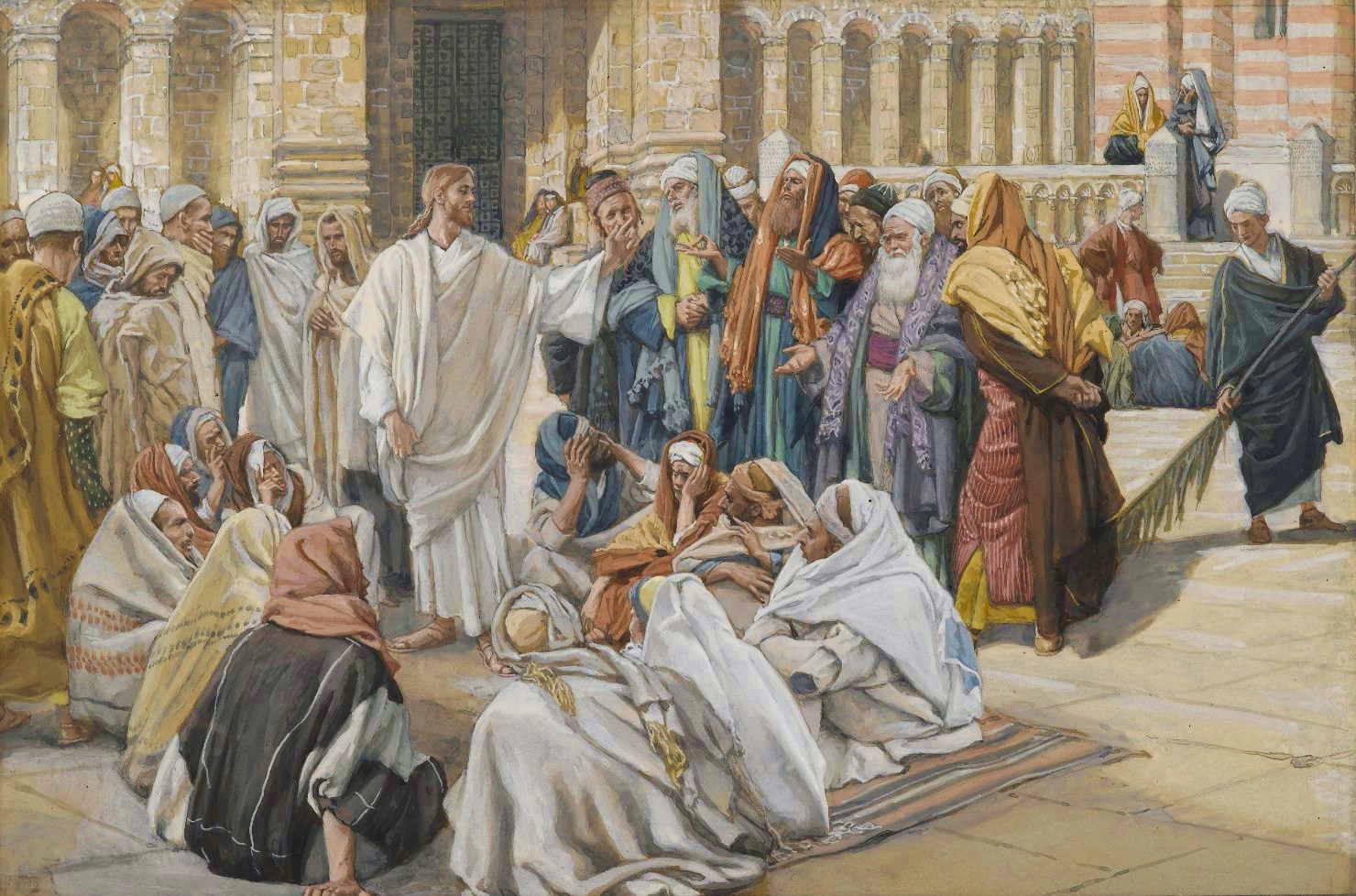
In today’s selection the Pharisees are on the attack. They send a scholar of the law to question Jesus. You might say this is to verify whether Jesus has the right to be teaching at all. The scholar asks him a very basic, yet complicated question and as usual, Jesus answers it succinctly and with a clarity they never expect. He asks Jesus, addressing him as “Teacher”, obviously not putting any faith in him, “which commandment in the law is the greatest.” Jesus responds at first with a statement of faith called the ‘Shema’. This is a declaration – or creed – that every good Jew would have been familiar with and is still said today. The Shema is based on Deuteronomy 6:5 and Leviticus 19:18. It states the law of love. That the first and most important commandment is that every person should love God with the totality of their being; heart, soul, and mind. This is not an emotional response, but a commitment to keeping the Lord’s covenant. Jesus follows this up with a second commandment also from the law, that calls for commitment to caring for our neighbor. These two commands sum up the heart of the decalogue and the rest of the teachings we find in the scriptures. Jesus stresses this when he says that the “whole law and the prophets depend on these two commandments.” In the Greek it literally says the “Torah and the prophets hang” on these two commandments. In other words, without this kind of love and commitment to God and neighbor the rest of the law would fall apart. No other commandment can properly be observed without total love and commitment to God and neighbor first.
(Today’s thought is taken from a reflection by my classmate Arch Bishop Henning)
The scholar has asked a dishonest question. He wishes to trap Jesus by asking Him to give priority to one of the more than 600 laws observed by the Pharisees in their pursuit of holiness. But as we have seen before, Jesus does more than merely avoid the trap; He asserts a remarkable and innovative interpretation of the law. The cardinal tenet of Israel’s faith and identity is the fidelity to the One God. Jesus rightly asserts this universally agreed priority. He then speaks of the care of neighbor, another priority in Israel’s life and one that draws upon traditions. Israel has learned that it must act as one great family, caring for the most vulnerable in its midst. But as Jesus speaks of these ideas, he introduces two important innovations. The first is the manner in which he links love for God and love for neighbor. He presents them as aspects of one commandment. The second innovation comes from the larger context of Jesus’ ministry where we learn what Jesus means by “neighbor.” While the law teaches Israel to care for the vulnerable, even the outsider, these are those who live within or among Israel. Jesus’ ministry makes it clear that the neighbor is every member of the human family.
It’s easy to love God, but not always easy to love my neighbor, especially if we don’t agree or look at the world the same way. But Jesus is clear, every member of the human family deserves our love. Today I invite you to consider the people you find hard to love and take steps to try to love them as Jesus would.
Peace,
Fr. Steve
