

Dear Brothers and Sisters,
Happy Good Shepherd Sunday!
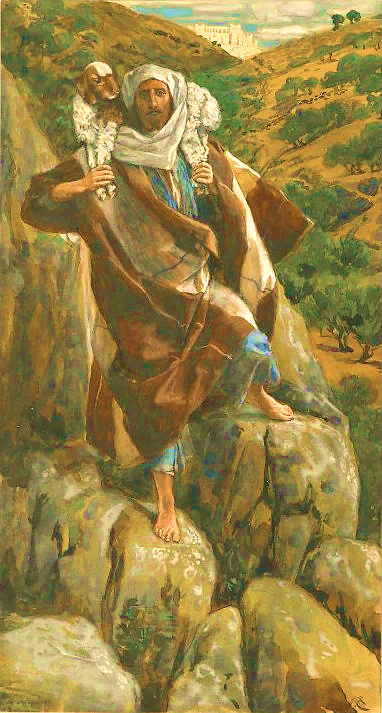
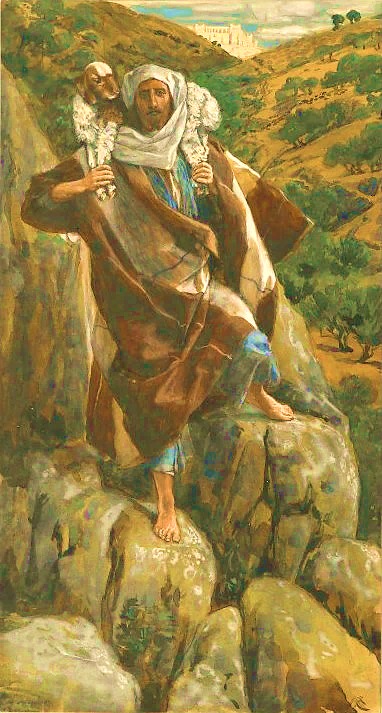
The image of God as a shepherd has deep roots in the scriptures, particularly in the words of the prophets as found in the Old Testament. Our Gospel today is taken from the Good Shepherd Discourse found in John’s Gospel. The discourse is broken into two parts. Today’s selection is taken from the first part. Jesus has been sparring with the Pharisees as we see from the previous chapter. He begins by introducing the images of thieves and robbers and a Good Shepherd who cares for his flock and the use of a sheepfold. A sheepfold was used to pen in the sheep at night. It was made from natural materials such a branches or stones in the wild, or as a pen or enclosure built onto the side of a dwelling, much like the stable Jesus was born in.
Jesus points to the thief as a robber, who enters the sheepfold by another way indicating that he comes with stealth to steal and exploit the sheep. The term robber here connotes a sense of someone who has come to do violence. The Prophet Ezekiel uses a similar image in Ez. 34:2-8, to speak of the non-devout kings of Israel whose self-serving behavior led Israel astray. In stark contrast Jesus gives us the image of the Shepherd who enters the sheepfold through the gate. The gatekeeper opens the gate for the shepherd. Who Jesus intends the gatekeeper to be is not entirely clear but is assumed by most scholars that it is the Father, who entrusts the care of the sheep to his Son. It is this gatekeeper who opens the gate for the shepherd so that he can lead the flock to green pastures. Just so, the Father sent the Son into the world to lead his people to eternal life. He walks ahead of them, and they follow him. This is a reminder of Jesus role as teacher and guide sent by the Father to lead his people to righteousness. ‘Driven out’ here is reminiscent of the sheep’s willingness to follow a shepherd who guides and instructs them, and the words here give us an allusion of strong leadership. These are sheep he leads, who hear his voice and respond because they recognize him. Jesus speaks the words of the Father, and those who belong to him hear his voice and follow. These sheep are not unknown to the shepherd. No, he calls each one by name. Naming is a sign of knowledge, not simply ownership. It is to not only have dominion over them, but a relationship with them. Jesus calls his disciples by name, and they respond. Because of this intimate knowledge the sheep will not follow a stranger. The sheep have only one true shepherd and are devoted to him and he is devoted to them and will lay down his life for them.
It is clear Jesus identifies himself as the ‘Good Shepherd’, but always the model, Jesus also calls us to be shepherds after his own heart to others in our lives. As parents and grandparents shepherding our kids, leading them through life’s pitfalls, providing safety and nurturing is our job. Friend to friend and co-worker to co-worker, we depend on each other to be there to help us figure out life’s challenges and burdens. Even in the care and concern we provide for the stranger, making a difference by our words and actions, showing mercy to others we are shepherds to one another in the model of the one Good Shepherd of us all.
Who are the people in your life whom you are called to lead to greener pastures? Who depend on you to shepherd them through life? Who has been a Good Shepherd to you in your own life? This week raise up a prayer for the sheep and the shepherds in your life to The Good Shepherd and leader of us all – that we all may one with him forever in the eternal green pastures.
Peace,
Fr. Steve